Central Air Installation in Westchester: What Families Should Know Before Buying
A Cooler Westchester Summer Starts with the Right AC Partner
Hot, sticky Westchester summers can wear a family down. Sleep gets choppy, tempers run short, and everyone ends up fighting over the one room that feels somewhat cool. Older homes in our area, with their charm and character, were not built for the kind of heat and humidity we see today.
That is why central air installation in Westchester County is more than a home upgrade. It is an investment in comfort, health, and peace of mind for the whole year. When the system is planned and installed the right way, your home feels calmer, your routines feel easier, and you worry less when the next heat wave moves in.
Our family at Plitnick Home Fuel & Service Co. has been helping local households stay comfortable since 1977. As a third-generation, family-owned company based in Dobbs Ferry, we focus on solutions that fit the home, the budget, and the people who live there. In this guide, we walk through what you should know before saying yes to central air so you feel informed, prepared, and protected.
Is Your Westchester Home Ready for Central Air?
Westchester homes come in all shapes and ages. Each style can affect what central air will look like in your space.
Many families live in:
- Older colonials with smaller closets and tight wall spaces
- Capes and bungalows with finished attics and tricky rooflines
- Split-level homes with short runs between levels
- Condos and multi-family buildings with shared walls and limited outdoor space
These layouts can change how and where ductwork can run, where an outdoor unit can sit, and what kind of system makes the most sense.
Some key readiness factors include:
- Ducts or no ducts: If you already have ductwork for a warm air heating system, central AC may tie into those ducts. If you have baseboards or radiators, you may need new ductwork or a different style of system.
- Insulation and windows: Poor insulation or drafty windows make your system work harder. A professional will look at how your home holds cool air, not just where to place equipment.
- Electrical capacity: Your panel must be able to safely support a new AC system. Sometimes a panel upgrade is needed to protect both the new equipment and the rest of the house.
- Outdoor and indoor placement: The team must find safe, code-compliant spots for the outdoor condenser and indoor air handler, while respecting your yard, patios, and living areas.
This is where a professional in-home assessment matters. A local team that knows Westchester housing stock, zoning rules, and weather patterns can see issues a one-size-fits-all installer might miss. Our technicians take time to listen, walk the home with you, look at your current heating and electrical, and explain options in plain language so you understand what will happen and why.
What Central Air Really Changes for Your Family’s Comfort
Central air is not just about lower numbers on a thermostat. It changes how your home feels day and night.
Families often notice:
- Even temperatures from room to room
- Better sleep on muggy nights
- Less background noise compared to window units
- A calmer, cleaner look without ACs stuck in every window
Air quality is another big shift. With the right filters, central air can help remove dust and other particles from the air. For families with asthma or allergies, that can make a real difference in how everyone feels. Lower humidity also helps slow down mold growth, protects wood floors and furniture from warping, and keeps electronics in a more stable environment.
There is also a safety and peace-of-mind side. You are not wrestling heavy window units in and out each spring and fall, trying to seal gaps, or worrying about kids or pets near a shaky unit. Your windows can close and lock, which can help you feel more secure.
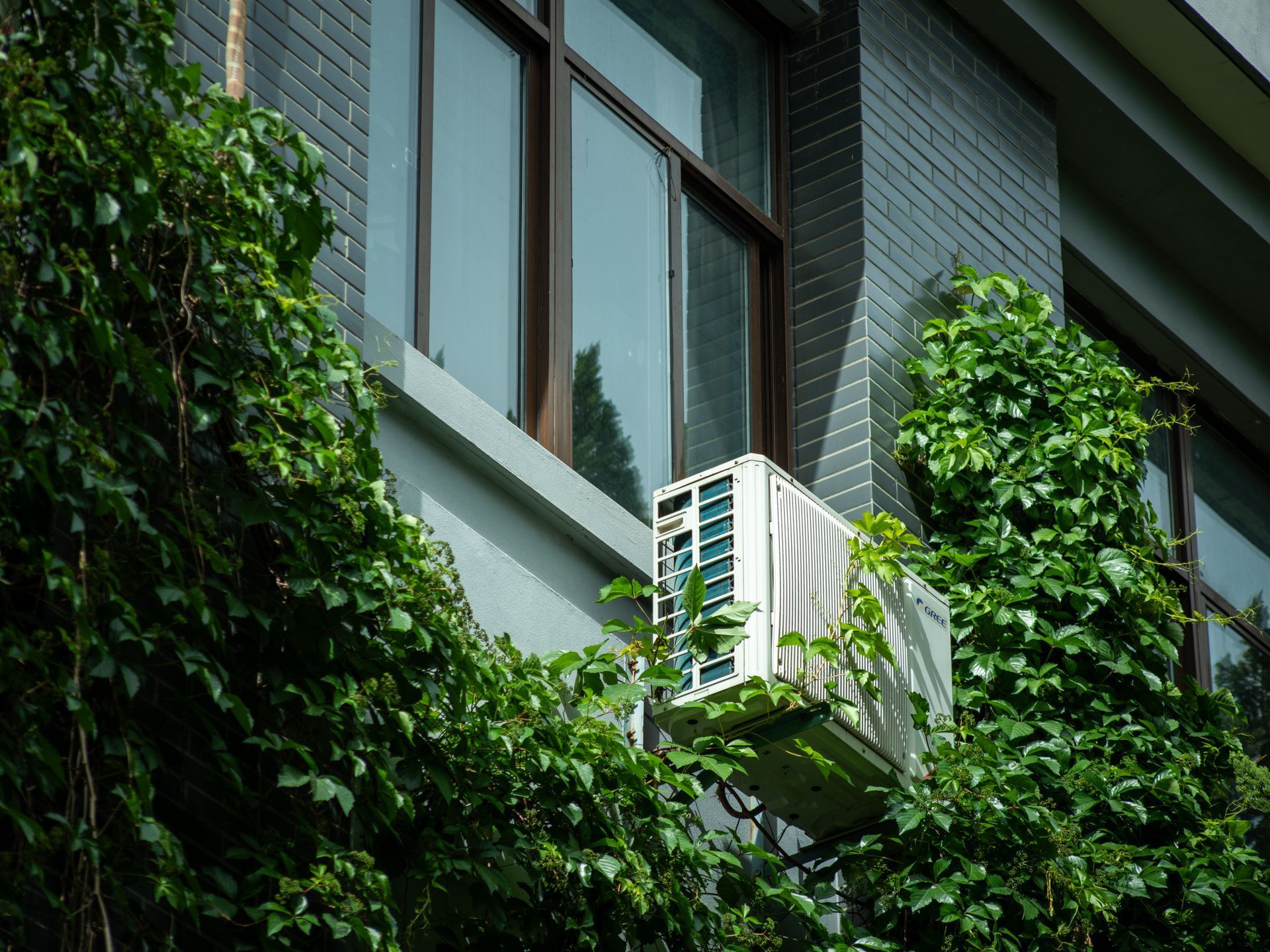
Central air installation in Westchester County also helps you get ready for the future. Summers are trending hotter and more humid, and heat waves are more common. Having a reliable system in place means you are not scrambling for window units or portable coolers when the forecast jumps.
Budget, Rebates, and What Central Air Really Costs
Every home, and every family, is different. While we do not list prices, we can share the main things that influence what central air will cost for your property.
Key cost factors include:
- Size and layout of the home
- Whether ductwork already exists
- Type and efficiency of the equipment
- Any needed electrical panel or wiring upgrades
- Access for installation and any needed carpentry
When a system is sized correctly and runs efficiently, it often uses energy more evenly than a group of window units that run constantly. That can help control cooling costs while giving you better comfort. It can also protect your home’s value and appeal if you decide to sell, since many buyers in Westchester expect central air or ask about it.
There may be ways to lower your overall investment, such as:
- Local utility rebates for qualifying high-efficiency equipment
- Possible tax incentives for certain energy-efficient systems
- Seasonal promotions on equipment or installation
Our role is to bring everything into clear view. We provide upfront written estimates, explain what each option means for comfort and long-term costs, and help you look for savings programs you may qualify for. The goal is simple: no surprises on installation day.
Choosing the Right System and Trusted Installer
Picking the right system is not just about brand names. It is about how that system fits your home and how it is installed.
Proper sizing is key. A system that is too large can short cycle, which may cause uneven cooling, more noise, and unnecessary wear. A system that is too small will run for long stretches and still leave some rooms sticky. When we calculate the right size, we look at square footage, layout, insulation, windows, and how you actually use the space.
There are also different styles of systems to think about:
- Traditional central air: Often a good fit if you already have ductwork, and you want whole-home cooling with a single thermostat.
- Ductless mini-splits: Good for homes without ducts, additions, finished attics, or areas that never seem comfortable. They use small indoor heads and thin lines instead of full ductwork.
- Mixed setups: Some homes use a combination, such as central air for main spaces and ductless units for an addition or top floor.
Who installs the system matters as much as the equipment itself. You want a licensed, insured company with deep local roots, not a group that might disappear when you need help. Strong installers:
- Pull the right permits when needed
- Follow safety and building codes
- Respect your property and routine
- Offer 24/7/365 support for emergencies
Our family business has been serving Westchester since 1977, across three generations. We focus on doing the job right the first time, standing behind our work, and being there when something goes wrong at the worst time, such as during a heat wave or holiday weekend.
What to Expect Before, During, and After Installation Day
Many homeowners feel nervous about the disruption of a central air project. Knowing the steps ahead of time can make it easier.
Here is how the process usually flows:
- Initial conversation: We talk through your goals, pain points, and rough budget.
- Home evaluation: A technician visits, checks the layout, heating system, electrical panel, insulation, and potential equipment locations.
- Custom recommendation: We prepare system options tailored to your home and explain the pros and cons in plain terms.
- Written estimate: You receive a clear estimate that outlines the work, equipment, and timeline.
- Permits and scheduling: If permits are needed, they are handled before work starts, and installation is scheduled around your family’s routine as much as possible.
On installation day, trucks will park where they are out of the way but still give the crew safe access. Inside, technicians protect floors and belongings, and let you know what parts of the home they will be working in. There will be some noise from tools and equipment, but the team will work to keep it reasonable and keep you informed as they go.
When the work is complete, we clean up, remove old equipment or debris, and walk through the system with you. That includes:
- Testing the system together
- Showing you how to use the thermostat
- Explaining how and when to change filters
- Answering any questions about sounds, settings, or maintenance
The relationship does not end when the crew leaves your driveway. Regular maintenance helps your system run smoothly and last longer. Our team is available for seasonal tune-ups, repairs, and 24/7/365 emergency service if something ever stops working on a steamy night. Since we also handle heating, plumbing, fuel, propane, and generators, you have one familiar local team to call when your home needs support.
Get Started With Your Project Today
If you are ready for a cooler, more comfortable home this summer, our team at Plitnick Home Fuel & Service Co. is here to help. Learn how our expert
central air installation in Westchester County can improve your comfort and energy efficiency. We will walk you through options, provide a clear estimate, and schedule work at a time that fits your routine. Have questions or want to book an appointment now? Just
contact us and we will follow up promptly.