What to Do While Waiting for Emergency AC Repair in Westchester Heat Wave
Staying Safe and Calm in a Westchester Heat Wave
An AC breakdown in the middle of a heat wave is more than an inconvenience. Rooms heat up fast, everyone gets uncomfortable, and it is easy to start worrying about kids, pets, or older family members while you wait for help.
The good news is that once you have called for emergency HVAC service in Westchester County, you are already on the right track. Staying calm helps you think clearly, protect your family, and avoid anything that could make the problem worse. While you wait, there are simple steps you can take to stay safer, keep the house as cool as possible, and protect your AC system.
At Plitnick Home Fuel & Service Co., we are a family-owned company based in Dobbs Ferry, and our team has been helping local families and businesses handle situations like this since 1977. Our emergency crews are on call 24/7/365 so comfort and peace of mind can be restored as quickly as possible. Below, we will walk through how to stay safe in the heat, smart temporary cooling ideas, what not to do with your AC, and how to get ready for fast service when your technician arrives.
How to Protect Your Family From Heat-Related Risks
High indoor heat can be dangerous, especially during a strong Westchester heat wave. Certain people feel the effects faster, including:
- Infants and young children
- Older adults
- People with heart, breathing, or other medical issues
- Anyone taking medications that affect sweating or circulation
It also helps to know what heat stress can look like in real time. Watch for signs that the heat is too much, such as heavy sweating, dizziness, nausea, headache, confusion, or skin that feels hot and dry. If someone seems very confused, has trouble walking, or stops sweating in extreme heat, that is an emergency and you should get medical help right away.
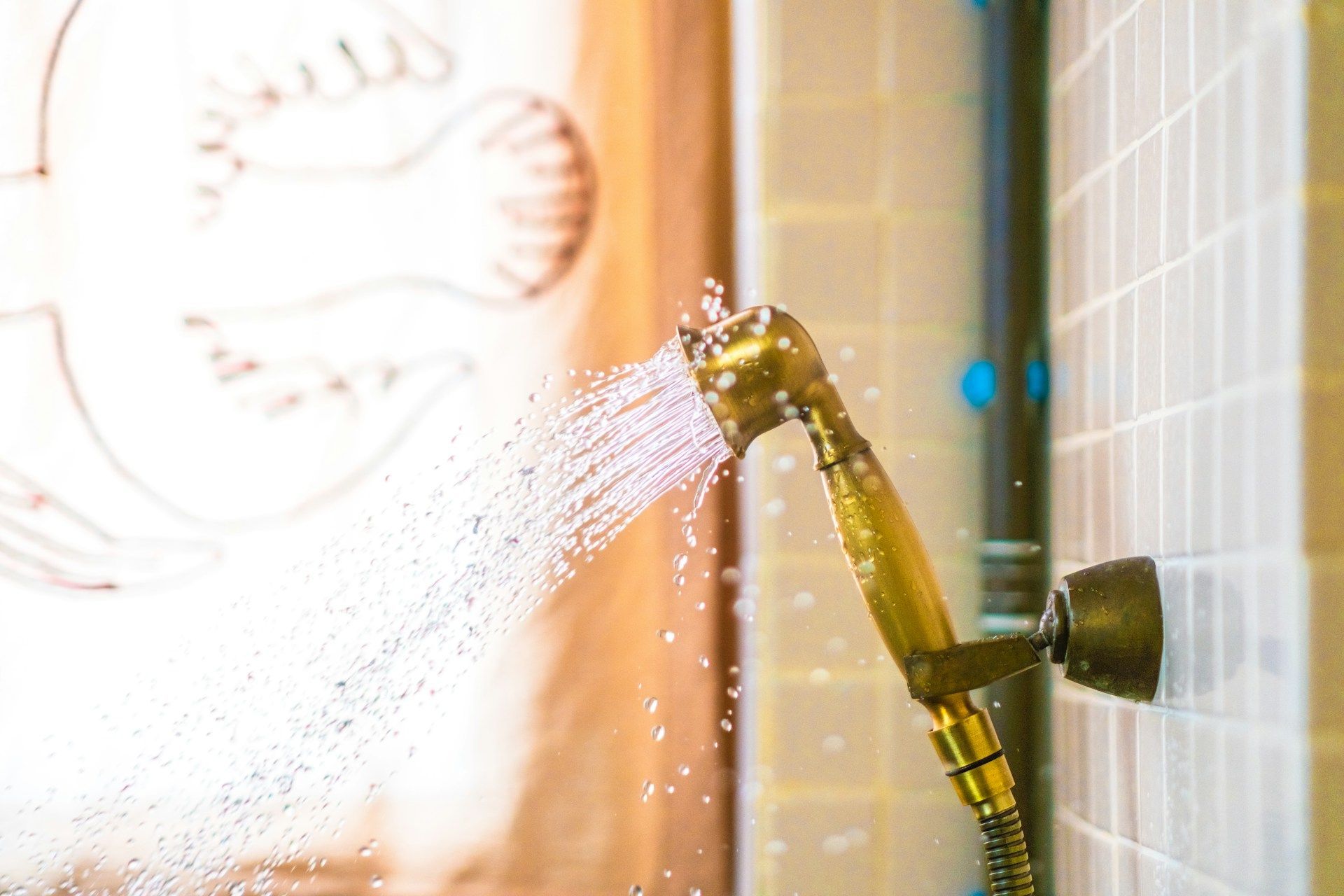
While you wait for service, your goal is to lower body temperature and reduce strain, especially for anyone more vulnerable. Move vulnerable family members to the coolest part of the home, often a lower floor, interior room, or basement. Encourage everyone to drink water often, even if no one feels very thirsty yet, and avoid heavy activity or chores that raise body temperature. Small cooling steps can also help, like using cool, damp cloths on wrists, neck, and forehead, or taking short, lukewarm showers or baths that bring body temperature down slowly.
If you live in an apartment or on an upper floor, heat can build up quickly. A few options that may help include:
- Spend time in shaded stairwells or hallways if they feel cooler
- Go to a ground-level common area with better airflow if allowed and safe
- Visit a neighbor with AC if you have that relationship and it is safe to do so
Pets feel the heat too, and they rely on you to keep their environment safe. Keep them away from the hottest rooms and never leave them in a small, closed space with no air movement. Make sure:
- Their water bowls are always full of fresh, cool water
- Fans are blowing air around their usual resting spots
- They stay off hot balconies, decks, or sun-soaked windows
If the indoor temperature keeps climbing and you cannot keep people comfortable, it may be safer to leave the home for a few hours. Many families choose:
- Local cooling centers, when available
- Air-conditioned libraries or community centers
- Malls or large stores
- A friend or relative’s home with working cooling
Your comfort matters, but your safety matters more. If the heat feels extreme and someone in your home is at higher risk, do not try to tough it out.
Smart Temporary Cooling While You Wait
While temporary steps cannot replace a working AC, they can make the wait easier and safer. The key is to block new heat from coming in, move air strategically, and reduce anything that adds heat indoors.
Start with windows and blinds:
- Close curtains, blinds, and shades on the sunny sides of your home
- Hang light-colored sheets or blankets over windows if you do not have curtains
- Open windows only when the air outside is cooler than inside, usually late evening or early morning
Fans can also help, as long as you use them with realistic expectations. Fans cool people, not rooms, so aim them where people are actually sitting or sleeping. Helpful fan tips include:
- Setting ceiling fans to spin counterclockwise in summer to create a gentle breeze
- Using box or oscillating fans to pull cooler air across the room
- In the evening, placing a fan in a window facing outward to push hot air outside
Sleeping is often the hardest part in a hot house, so it helps to set up the coolest, simplest sleep environment you can. You can:
- Move sleeping areas to lower floors or a finished basement where the air is cooler
- Use light cotton sheets instead of heavy blankets
- Sleep in loose, breathable clothing
- Set up safe “cool spots” like shaded porches or patios, if secure and free of pests
Another way to make the home feel more manageable is to reduce extra heat sources. Try to reduce heat inside the house:
- Avoid using the oven or stovetop until the AC is fixed
- Skip the dryer and dishwashing cycles if you can
- Turn off extra lights and electronics that give off heat
- Keep interior doors mostly closed to hold cooler air in the areas you are using most
None of this replaces a working AC, but together these steps can lower stress, help people sleep a little better, and keep the indoor temperature from climbing as quickly.
How to Prevent Further Damage to Your AC System
While personal safety comes first, protecting your AC from more damage is also important. If the system is acting in a way that suggests strain or a potentially unsafe condition, it is often better to stop running it until a technician can diagnose the issue. If you notice any of these, it is safer to turn the system off at the thermostat:
- AC blowing warm or room-temperature air only
- Short-cycling, where it turns on and off over and over
- Burning, grinding, or screeching noises from the indoor or outdoor unit
- Strong electrical or burning smells
In some cases, our office may also advise turning the system off at the breaker. This can stop a small problem, like a failing part, from turning into a much larger breakdown.
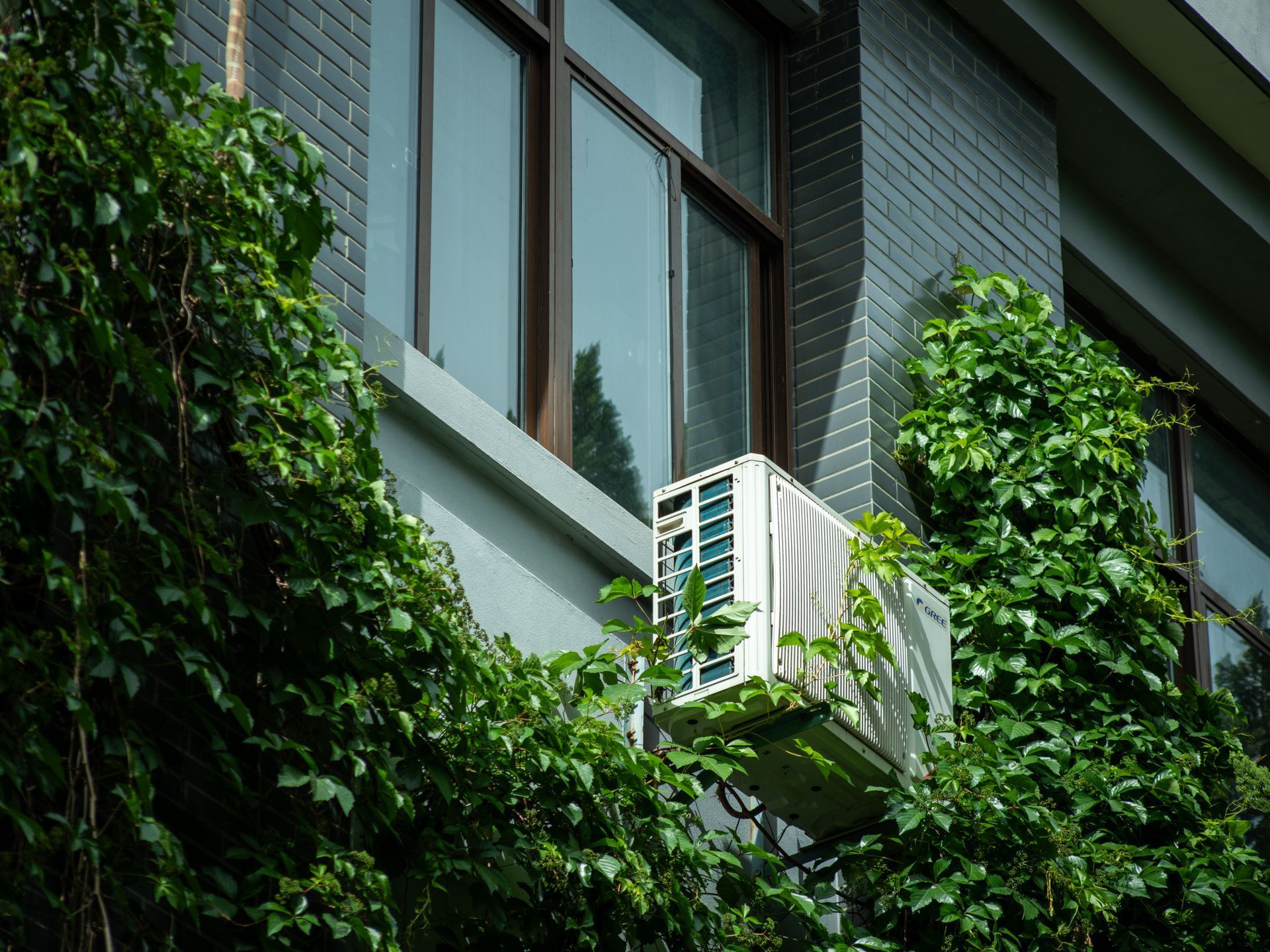
There are a few basic checks that are usually safe to do while you wait, and they can sometimes help rule out simple causes. For example, make sure the thermostat is set to “cool” and not to “fan” or “heat,” and set the temperature to a reasonable number rather than extremely low. You can also check that supply vents and return grilles are open and not blocked by rugs, furniture, or boxes, and look at the outdoor unit from a distance to see if it is buried in leaves, weeds, or other debris.
Just as important as what to check is what not to do. Avoid the following:
- Do not keep forcing the AC to run if it clearly is not cooling
- Do not keep resetting a breaker that trips again and again
- Do not open sealed panels or try to work with electrical parts or refrigerant lines
Turning the system off and waiting for a trained technician can actually save you money by preventing extra damage. At Plitnick, our emergency teams are trained to diagnose problems quickly and fix them the right way so you can get back to normal comfort with confidence.
Getting Ready for Fast, Effective Emergency Service
A few minutes of preparation before your technician arrives can help the visit go more smoothly and cut down on time spent tracking things down. To get your home ready:
- Clear a path to the thermostat, indoor unit, and main vents
- Move small furniture, toys, or storage bins away from the work areas
- Place pets in another room or a crate so the technician can come and go safely
It also helps to gather a bit of information the technician may ask about, especially if the problem is intermittent or started earlier in the day. Having details ready can speed up troubleshooting. Helpful information includes:
- Any error codes, flashing lights, or unusual messages on your thermostat or system
- When you first noticed the problem and whether it came on suddenly or slowly
- Any recent odd noises, smells, or behavior from the system
- When the air filter was last changed
- Whether any other electrical issues are happening in the home
When you call a trusted emergency HVAC service in Westchester County, you should expect clear communication and respect. The technician should explain what they are checking, talk through what they find in plain language, and discuss options based on the age of your system, your comfort needs, and your budget.
As a three-generation, family-owned company, we see our customers as neighbors, not numbers. Our technicians work carefully, respect your home, and clean up their work area when the job is done. For commercial properties, it also helps to clear access to mechanical rooms, share any building access details, and point out critical areas like server rooms or spaces where temperature is especially important.
Knowing what to do while you wait, how to keep everyone safe, and how to protect your system can make a stressful AC breakdown feel a little more manageable. With the right steps and a reliable local team on the way, relief is closer than it feels right now.
Restore Comfort Fast With Trusted Local HVAC Experts
When your heating or cooling fails unexpectedly, you need a team that responds quickly and fixes the problem right the first time. At Plitnick Home Fuel & Service Co., we provide reliable emergency HVAC service in Westchester County so your home stays safe and comfortable. If you are facing an urgent HVAC issue, reach out now and let our technicians get you back up and running. You can also contact us with any questions or to schedule service.